What is SEO? SEO, or Search Engine Optimization, is the process of optimizing your website to rank higher in search engine results, such as Google. For small businesses, SEO is one of the most powerfu

What is SEO? SEO, or Search Engine Optimization, is the process of optimizing your website to rank higher in search engine results, such as Google. For small businesses, SEO is one of the most powerfu

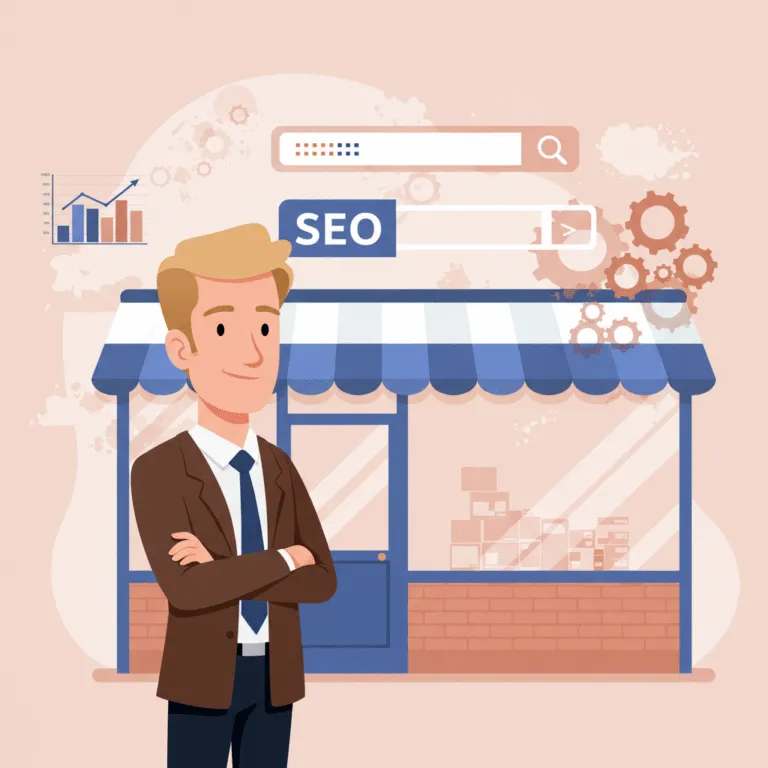
What is SEO? SEO, or Search Engine Optimization, is the process of optimizing your website to rank higher in search engine results, such as Google. For small businesses, SEO is one of the most powerful tools to increase website visibility, attract more traffic, and convert visitors into loyal customers. Whether you’re a local business or an online store, understanding SEO can have a significant impact on your growth.
In this guide, we’ll cover the basics of SEO, discuss its benefits for small businesses, and share some actionable tips on improving your website ranking.
What is SEO for small businesses? Simply put, it’s the key to reaching more potential customers online. SEO helps you show up in search results when users look for products or services related to your business. Without it, your website could be buried on page 10 of search results, making it harder for prospects to find you.
The main goal of SEO is to boost organic traffic to your website. Unlike paid ads, SEO delivers long-term results that build your business’s credibility over time. By improving your search rankings, SEO ensures your business gets discovered by more people, which can lead to increased sales and brand recognition.
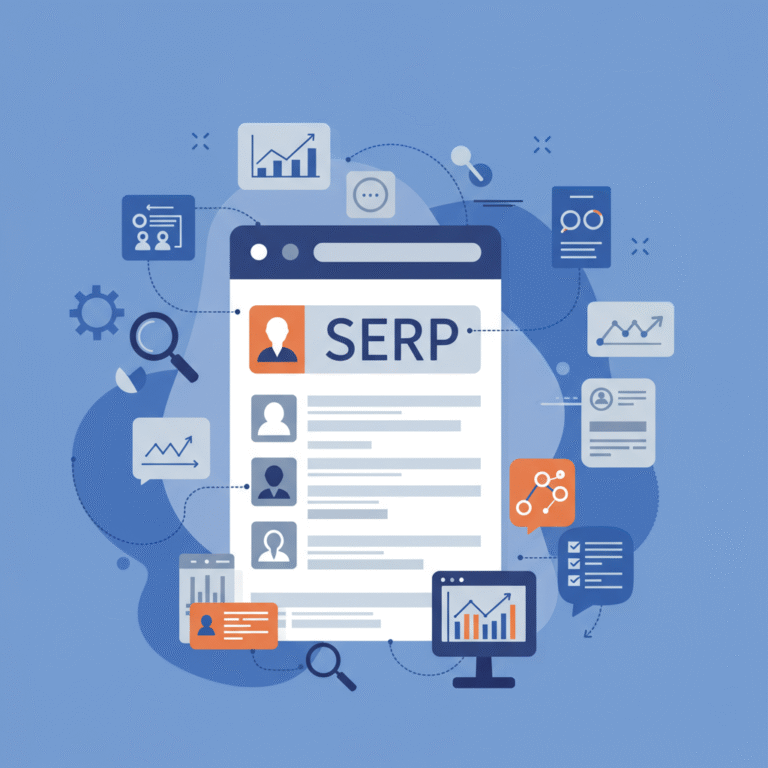
Improving your website ranking doesn’t require you to be a technical expert. You can get started with a few essential steps to optimize your website for search engines. Here’s how:
On-page SEO refers to optimizing elements on your website to make it more attractive to search engines. Key factors include:
Title tags: Each page on your site should have a unique title tag with relevant keywords.
Meta descriptions: These brief summaries of your page content help search engines understand what your page is about.
URL structure: Use clear and descriptive URLs that contain your main keywords.
Internal linking: Link to other relevant pages on your site to help search engines crawl your website more efficiently.
On-page SEO is one of the easiest ways to boost your site’s visibility without needing advanced technical knowledge.
For businesses that serve a specific geographic area, local SEO is crucial. Optimizing for local searches helps you appear in search results when people look for services near them. Here are some key local SEO tips:
Claim your Google My Business listing: This allows you to manage your business’s presence on Google, including your location, hours, and reviews.
Get local backlinks: Partnering with local organizations or sponsoring local events can earn you backlinks from trusted websites, improving your site’s authority.
Optimize your content for local keywords: For example, use phrases like “plumber in [city name]” or “best coffee shop in [neighborhood name].”
Local SEO ensures that your business stands out in the local search landscape, driving more customers to your door.
There are several powerful SEO tools available to help small business owners track performance and improve their SEO strategy. Some popular tools include:
Google Analytics: Monitor your website’s traffic, user behavior, and conversion rates.
Moz: Helps with keyword research, link building, and tracking your website’s SEO performance.
Ahrefs: Provides comprehensive tools for backlink analysis, keyword research, and competitor research.
Using these tools can provide valuable insights into how your site is performing and guide you in making the right SEO improvements.
Once you’ve mastered the basics of SEO, there are more advanced strategies that can further improve your website’s visibility. One essential tactic is keyword research, which involves identifying the keywords your potential customers are searching for. Tools like SEMrush or Ubersuggest can help you find high-traffic keywords relevant to your business.
Content marketing also plays a major role in improving your SEO. By creating high-quality, keyword-optimized content (e.g., blog posts, videos), you can boost your website’s authority and attract more traffic. Content clusters, which are groups of related content that link to a central pillar page, can also improve SEO by making your site more organized and relevant to search engines.
Additionally, SEO requires ongoing attention. Google’s algorithm updates regularly, meaning your SEO strategy needs to adapt to stay ahead. Factors like mobile-friendliness and site speed are becoming increasingly important, as Google prioritizes user experience in its rankings.

What is SEO? It’s an essential tool for small businesses looking to grow and increase their visibility online. While SEO may seem like a daunting task, following these basic strategies will help you get started on the right foot.
Start by focusing on on-page SEO and local SEO to boost your website’s ranking. Leverage SEO tools to track your progress, and as you become more comfortable with the basics, explore advanced techniques like keyword research and content marketing to take your SEO efforts to the next level.
The key is to stay consistent and always be learning—SEO is an ongoing journey. Ready to improve your SEO? Start by applying these simple tips today and watch your website’s visibility grow.
While SEO can help bring traffic to your site, tools like LeadProspectingAI help you make the most of that traffic. From capturing leads to automating follow-ups, booking appointments, and managing your online reputation, our platform supports the operations that help SEO work even better. See how it fits your business.
Written by
LPAI Team
Helping businesses grow with AI-powered lead generation, CRM automation, and data-driven marketing strategies.

Most sales lead generation guides assume you have a marketing department, a CRM system, and a team of sales reps waiting to work a pipeline. If that sounds like your business, there are hundreds of ar

If you run a business in Twin Falls, Jerome, Burley, Rupert, or anywhere across the Magic Valley, you already know the competition for local customers is real. The population is growing, new businesse

TL;DR: Organic marketing builds long-term visibility and trust with an average ROI of $2.75 for every dollar spent, while Facebook ads deliver short-term wins at $40-60 per lead. For Twin Falls HVAC c
Manage contacts, projects, appointments, and billing — everything in one place.
See PlansWhat is SEO? SEO, or Search Engine Optimization, is the process of optimizing your website to rank higher in search engine results, such as Google. For small businesses, SEO is one of the most powerful tools to increase website visibility, attract more traffic, and convert visitors into loyal customers. Whether you’re a local business or an online store, understanding SEO can have a significant impact on your growth.
In this guide, we’ll cover the basics of SEO, discuss its benefits for small businesses, and share some actionable tips on improving your website ranking.
What is SEO for small businesses? Simply put, it’s the key to reaching more potential customers online. SEO helps you show up in search results when users look for products or services related to your business. Without it, your website could be buried on page 10 of search results, making it harder for prospects to find you.
The main goal of SEO is to boost organic traffic to your website. Unlike paid ads, SEO delivers long-term results that build your business’s credibility over time. By improving your search rankings, SEO ensures your business gets discovered by more people, which can lead to increased sales and brand recognition.
Improving your website ranking doesn’t require you to be a technical expert. You can get started with a few essential steps to optimize your website for search engines. Here’s how:
On-page SEO refers to optimizing elements on your website to make it more attractive to search engines. Key factors include:
Title tags: Each page on your site should have a unique title tag with relevant keywords.
Meta descriptions: These brief summaries of your page content help search engines understand what your page is about.
URL structure: Use clear and descriptive URLs that contain your main keywords.
Internal linking: Link to other relevant pages on your site to help search engines crawl your website more efficiently.
On-page SEO is one of the easiest ways to boost your site’s visibility without needing advanced technical knowledge.
For businesses that serve a specific geographic area, local SEO is crucial. Optimizing for local searches helps you appear in search results when people look for services near them. Here are some key local SEO tips:
Claim your Google My Business listing: This allows you to manage your business’s presence on Google, including your location, hours, and reviews.
Get local backlinks: Partnering with local organizations or sponsoring local events can earn you backlinks from trusted websites, improving your site’s authority.
Optimize your content for local keywords: For example, use phrases like “plumber in [city name]” or “best coffee shop in [neighborhood name].”
Local SEO ensures that your business stands out in the local search landscape, driving more customers to your door.
There are several powerful SEO tools available to help small business owners track performance and improve their SEO strategy. Some popular tools include:
Google Analytics: Monitor your website’s traffic, user behavior, and conversion rates.
Moz: Helps with keyword research, link building, and tracking your website’s SEO performance.
Ahrefs: Provides comprehensive tools for backlink analysis, keyword research, and competitor research.
Using these tools can provide valuable insights into how your site is performing and guide you in making the right SEO improvements.
Once you’ve mastered the basics of SEO, there are more advanced strategies that can further improve your website’s visibility. One essential tactic is keyword research, which involves identifying the keywords your potential customers are searching for. Tools like SEMrush or Ubersuggest can help you find high-traffic keywords relevant to your business.
Content marketing also plays a major role in improving your SEO. By creating high-quality, keyword-optimized content (e.g., blog posts, videos), you can boost your website’s authority and attract more traffic. Content clusters, which are groups of related content that link to a central pillar page, can also improve SEO by making your site more organized and relevant to search engines.
Additionally, SEO requires ongoing attention. Google’s algorithm updates regularly, meaning your SEO strategy needs to adapt to stay ahead. Factors like mobile-friendliness and site speed are becoming increasingly important, as Google prioritizes user experience in its rankings.
What is SEO? It’s an essential tool for small businesses looking to grow and increase their visibility online. While SEO may seem like a daunting task, following these basic strategies will help you get started on the right foot.
Start by focusing on on-page SEO and local SEO to boost your website’s ranking. Leverage SEO tools to track your progress, and as you become more comfortable with the basics, explore advanced techniques like keyword research and content marketing to take your SEO efforts to the next level.
The key is to stay consistent and always be learning—SEO is an ongoing journey. Ready to improve your SEO? Start by applying these simple tips today and watch your website’s visibility grow.
While SEO can help bring traffic to your site, tools like LeadProspectingAI help you make the most of that traffic. From capturing leads to automating follow-ups, booking appointments, and managing your online reputation, our platform supports the operations that help SEO work even better. See how it fits your business.
Written by
LPAI Team
Helping businesses grow with AI-powered lead generation, CRM automation, and data-driven marketing strategies.

Most sales lead generation guides assume you have a marketing department, a CRM system, and a team of sales reps waiting to work a pipeline. If that sounds like your business, there are hundreds of ar

If you run a business in Twin Falls, Jerome, Burley, Rupert, or anywhere across the Magic Valley, you already know the competition for local customers is real. The population is growing, new businesse

TL;DR: Organic marketing builds long-term visibility and trust with an average ROI of $2.75 for every dollar spent, while Facebook ads deliver short-term wins at $40-60 per lead. For Twin Falls HVAC c
Manage contacts, projects, appointments, and billing — everything in one place.
See Plans