
CRM & Sales
How to Handle And Prevent Customers Who Refuse to Pay
January 9, 2026
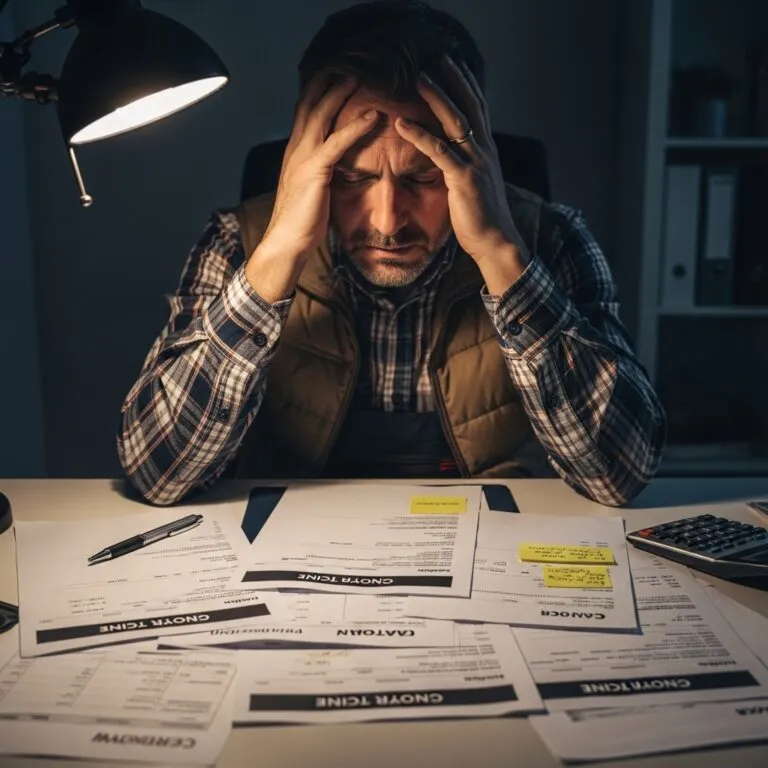
You completed the work exactly as agreed. The customer watched you finish, shook your hand, and said everything looked great. Then you sent the invoice. A week passed. Then two. Now it has been a month, and every call goes to voicemail. Every email gets ignored.
Few things are more frustrating for a service business owner than chasing payment for work you already completed. Whether you run a plumbing company, an HVAC business, a landscaping crew, or a house cleaning service, unpaid invoices create real problems. You still have to pay your employees, cover your material costs, and keep the lights on. When customers do not pay, your cash flow suffers and your stress levels climb.
The good news is that most nonpayment situations can be resolved without lawyers or court. Many customers who miss payments are not trying to avoid you. They forgot, got busy, or ran into unexpected financial trouble. A professional approach often gets the invoice paid and preserves the relationship for future work.
But some customers genuinely refuse to pay, and you need to know your options when that happens. You also need systems in place so payment problems become rare rather than routine. This guide covers both sides: what to do when you are already dealing with an unpaid invoice, and how to prevent the situation from happening in the first place.
Why Do Payment Disputes Happen in Service Businesses?
Before you can solve a payment problem, it helps to understand why it happened. Not every unpaid invoice means you are dealing with a dishonest customer.
What Causes Customers to Refuse Payment?
Forgetfulness is more common than you might think. Homeowners juggle dozens of bills, and your invoice can easily get buried in a stack of mail or lost in an overflowing email inbox. This is especially true for one-time services where the customer does not have an ongoing relationship with your business. They meant to pay, but life got in the way.
Financial difficulties create genuine hardship. A customer who was ready to pay when they scheduled the work might face an unexpected expense before your invoice arrives. Job loss, medical bills, or a major car repair can suddenly make your invoice impossible to pay in full. These customers often want to pay but cannot do it all at once.
Miscommunication about scope or pricing leads to disputes. If the final invoice is higher than the customer expected, or if they believe you did not complete everything you promised, they may withhold payment until the issue is resolved. These situations often stem from unclear quotes or verbal agreements that were never documented.
Some customers are simply dishonest. A small percentage of people hire contractors with no intention of paying. They know most service businesses will not pursue legal action over a few hundred dollars. These customers are counting on you to give up.
How Do You Know If the Problem Is Yours or Theirs?
Before assuming the worst, examine your own processes. Did you send the invoice promptly after completing the work? Was the invoice clear about what was owed and when payment was due? Did you provide easy payment options?
Invoices that arrive weeks after the job is done are easier to ignore. Customers have moved on mentally and may question charges they cannot clearly remember. Sending invoices immediately while the work is fresh keeps payment top of mind.
Unclear invoices create confusion. If your invoice just says “Plumbing Services: $450” without any detail, customers may not remember what they agreed to pay for. Detailed invoices that list specific work performed reduce disputes.
Limited payment options create friction. If you only accept checks, you are asking customers to find their checkbook, write out a check, find a stamp, and mail it. Every extra step reduces the likelihood of prompt payment. Businesses that accept credit cards, ACH transfers, and mobile payments get paid faster.
What Steps Should You Take When a Customer Will Not Pay?
When an invoice goes past due, you need a systematic approach. Starting with friendly reminders and escalating only when necessary protects both the relationship and your legal position.
How Do You Start the Conversation Without Burning Bridges?
Your first contact should assume good intentions. Reach out by phone, text, or email using whatever method you normally communicate with that customer. Keep the tone friendly and give them an easy way to resolve the situation.
A simple message like this works well: “Hi, I wanted to follow up on the invoice I sent on [date] for the [service] work. I have not received payment yet and wanted to make sure you received it. Please let me know if you have any questions.”
Listen to their response before escalating. If the customer explains they are having financial trouble, consider offering a payment plan. Breaking a $500 invoice into three monthly payments might be better than fighting for months to collect the full amount. Document any payment arrangement in writing.
If they dispute the quality of your work, address it directly. Sometimes a small concession resolves the issue faster than a prolonged battle. If you made a mistake, own it and offer to make it right. If the complaint is unreasonable, calmly explain what was agreed upon and reference your contract or quote.
Tools like LeadProspecting Ai can send automatic payment reminders on overdue invoices, which removes the awkwardness of personally chasing customers and ensures no unpaid invoices slip through the cracks.
When Should You Send a Formal Demand Letter?
If friendly reminders go unanswered for two to three weeks, it is time to escalate. A formal demand letter signals that you are serious about collecting payment and creates documentation you may need later.
A demand letter should include:
- Your business name and contact information
- The customer’s name and address
- The invoice number, amount owed, and original due date
- A summary of the work performed
- A clear deadline for payment (typically 7 to 14 days)
- A statement of consequences if payment is not received
The consequences you mention might include late fees, reporting to credit bureaus, turning the account over to collections, or pursuing legal action. Be specific but professional. This letter should feel serious without being threatening.
Send the letter by certified mail with return receipt requested. This creates proof that the customer received your demand, which may be important if you end up in court.
What Are Your Legal Options for Unpaid Invoices?
When demand letters fail and the customer clearly has no intention of paying, you have legal options. The right choice depends on how much you are owed and how much time and money you are willing to invest in collection.
Is Small Claims Court Worth It for Contractors?
Small claims court handles disputes involving smaller amounts of money without requiring lawyers. Each state sets its own limit, typically ranging from $2,500 to $25,000. Filing fees are usually between $30 and $100, making it an affordable option for collecting on unpaid invoices.
Advantages of small claims court:
- You do not need a lawyer
- The process is relatively quick (often resolved within 60 to 90 days)
- Judges understand that service businesses deserve payment for completed work
- A judgment in your favor can be enforced through wage garnishment or bank levies
Disadvantages to consider:
- You must take time off work to appear in court
- Winning a judgment does not guarantee you will collect the money
- Some customers are “judgment proof” because they have no assets to seize
Before filing, do a quick cost-benefit analysis. If a customer owes you $300, spending two days preparing for and attending court might not be worthwhile. But for larger amounts, small claims court is a legitimate and effective option.
Mechanic’s liens are another option for contractors. If you performed work on a property and were not paid, you may be able to place a lien against the property. This means the owner cannot sell or refinance until your debt is paid. Lien laws vary by state, and there are strict deadlines for filing, so consult an attorney if you are considering this route.
How Do Collection Agencies Work for Service Businesses?
For debts that are 90 days or more past due, a collection agency might be your best option. Collection agencies specialize in recovering money from customers who will not pay, and they have tools and techniques that individual business owners do not.
How it works: You turn over the unpaid invoice to the collection agency. They contact the customer using letters, phone calls, and other methods. If they collect, they keep a percentage (typically 25% to 50%) and send you the rest.
The tradeoff is clear: You get less money than you are owed, but you get something rather than nothing. You also stop spending your own time chasing a customer who has proven they will not respond to you.
Before choosing an agency, verify that they are:
- Licensed and bonded in your state
- Compliant with the Fair Debt Collection Practices Act
- Experienced with service business collections
- Willing to provide references from similar businesses
How Can You Prevent Payment Problems Before They Start?
Collecting on unpaid invoices takes time and energy you could spend on revenue-generating work. The better approach is building systems that prevent nonpayment from happening in the first place.
What Should Every Service Contract Include?
A signed contract is your best protection. Verbal agreements are difficult to enforce because they come down to your word against the customer’s. A written contract, even a simple one, documents what was agreed upon before work began.
Essential contract elements:
- Detailed description of work to be performed
- Total price and any conditions that could change the price
- Payment terms (due upon completion, net 30, etc.)
- Late fee policy
- Cancellation terms
- Signatures from both parties with dates
Your quotes should be equally detailed. A quote that says “Landscaping: $1,200” invites disputes. A quote that lists “Remove existing shrubs (12), install new mulch (6 yards), plant 8 boxwoods, edge all beds” leaves no room for confusion about what is included.
Always have customers approve quotes before beginning work. Digital signature tools make this easy, and the signed quote becomes part of your documentation if a dispute arises later.
How Do Payment Systems Reduce Nonpayment Risk?
The easier you make it to pay, the faster customers pay. Accepting multiple payment methods removes friction that causes delays. Credit cards, ACH bank transfers, and mobile payment options give customers flexibility.
Requiring deposits on larger jobs reduces your risk. Collecting 25% to 50% upfront before work begins ensures you are not completely exposed if the customer refuses to pay the balance. This is standard practice for contractors, and most customers expect it.
Automatic payment reminders keep invoices top of mind. Rather than manually tracking who owes you money and sending individual follow-ups, invoicing software can send reminders automatically when invoices become due or past due. This consistent communication dramatically reduces the number of invoices that slip into true nonpayment territory.
LeadProspecting Ai helps service businesses manage this entire process by tracking invoice status, automating follow-up messages, and storing customer information in one place. When you can see at a glance which invoices are outstanding and when reminders were sent, you catch payment problems early before they become collection nightmares.
The Bottom Line
When a customer refuses to pay, start with friendly communication and escalate systematically through demand letters and legal options if necessary. But the real solution is building systems that prevent nonpayment from happening. Clear contracts, detailed quotes, easy payment options, and automated reminders dramatically reduce how often you face this problem. Invest in your processes now so you spend less time chasing payments and more time growing your business.
Frequently Asked Questions
What should I do first when a customer does not pay an invoice? Start with a friendly reminder through phone, text, or email. Assume they forgot rather than assuming bad intent. Many unpaid invoices result from simple forgetfulness and resolve quickly once you reach out. Wait a few days between contacts before escalating.
How long should I wait before sending a demand letter? If friendly reminders go unanswered for two to three weeks, send a formal demand letter. This signals you are serious about collecting and creates documentation for potential legal action. Give the customer 7 to 14 days to respond before taking the next step.
Should I offer a payment plan to customers who cannot pay in full? Yes, in many cases. A customer who genuinely wants to pay but faces financial hardship is more likely to follow through on a payment plan than to suddenly find the full amount. Document the agreement in writing, including specific payment dates and amounts.
Can I charge late fees on overdue invoices? You can charge late fees if your contract or invoice states your late fee policy before work begins. Typical late fees range from 1.5% to 2% per month. Adding late fees after the fact without prior notice may not be enforceable.
How much does small claims court cost? Filing fees typically range from $30 to $100, depending on your state and the amount you are claiming. You do not need a lawyer for small claims court, which keeps costs manageable. The main investment is your time preparing for and attending the hearing.
When should I hire a collection agency? Consider a collection agency for debts that are 90 days or more past due, especially if you have already tried demand letters without success. Collection agencies take a percentage (usually 25% to 50%) but recover money you would otherwise never see.
What is a mechanic’s lien, and when can I use one? A mechanic’s lien is a legal claim against a property where you performed work but were not paid. It prevents the owner from selling or refinancing until your debt is satisfied. Lien laws and filing deadlines vary by state, so consult an attorney if you are considering this option.
How can I prevent customers from refusing to pay in the future? Use written contracts with clear payment terms, send detailed quotes and get them signed before work begins, require deposits on larger jobs, offer multiple payment methods, and send automatic payment reminders. CRM tools like LeadProspecting Ai help automate these processes so nothing falls through the cracks.
FieldServ Ai helps service businesses manage jobs, invoices, and payments in one organized system.