In today’s digital landscape, email marketing remains a cornerstone for small businesses aiming to connect with their audience, nurture leads, and drive conversions. However, with numerous optio

In today’s digital landscape, email marketing remains a cornerstone for small businesses aiming to connect with their audience, nurture leads, and drive conversions. However, with numerous optio

In today’s digital landscape, email marketing remains a cornerstone for small businesses aiming to connect with their audience, nurture leads, and drive conversions. However, with numerous options available, identifying the best email marketing platform tailored to your business needs can be challenging.
This guide delves into the essential features that define the best email marketing platform, emphasizing affordability, ease of use, automation capabilities, and more. Whether you’re a startup or an established small business, understanding these facets will empower you to make informed decisions and elevate your marketing efforts.
Email marketing offers unparalleled advantages for small businesses:
Cost-Effective Communication: Reach a broad audience without substantial advertising budgets.
Personalized Engagement: Tailor messages to specific segments, enhancing relevance and response rates.
Measurable Results: Track open rates, click-throughs, and conversions to assess campaign effectiveness.
Automation Opportunities: Implement workflows that engage customers at optimal times without manual intervention.
By leveraging these benefits, small businesses can foster stronger customer relationships and drive sustainable growth.
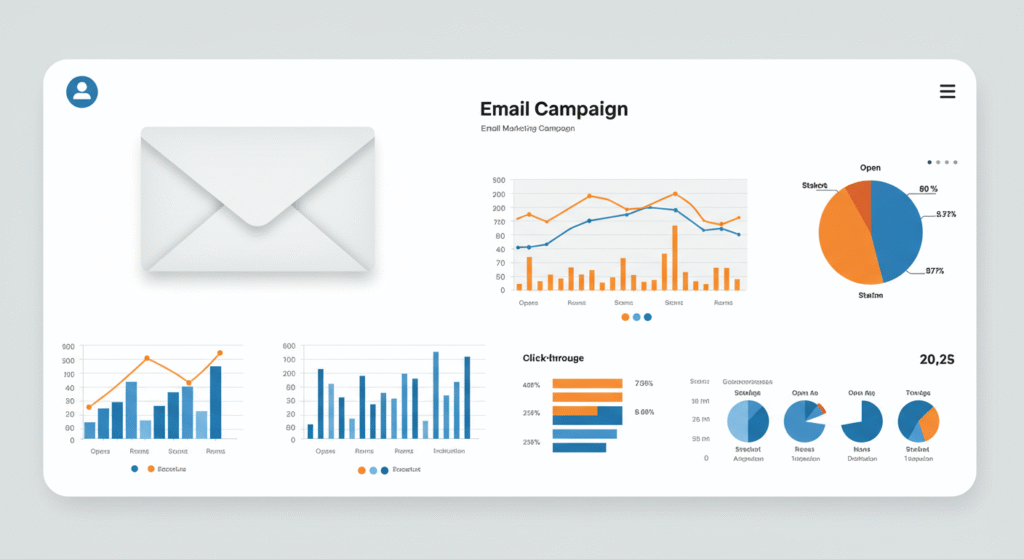
When evaluating email marketing software, consider the following essential features:
A platform with an intuitive design ensures that even those without technical expertise can create and manage campaigns effortlessly. Look for drag-and-drop editors and customizable templates that simplify the design process.
Budget constraints are common for small businesses. Seek affordable email marketing tools that offer robust features without compromising on quality. Transparent pricing tiers and scalable plans are indicators of a platform that grows with your business.
Effective small business email automation allows you to send timely, relevant messages based on user behavior. Features like autoresponders, drip campaigns, and trigger-based emails enhance engagement and efficiency.
The ability to segment your audience and personalize content ensures that your messages resonate with recipients. This approach leads to higher open rates and conversions.
Insightful analytics provide a clear picture of your campaign’s performance. Metrics such as open rates, click-through rates, and conversion statistics help refine strategies and improve ROI.
An easy email marketing platform should seamlessly integrate with your existing tools, such as CRM systems, e-commerce platforms, and social media channels. This integration streamlines operations and enhances data consistency.
When evaluating email marketing platforms, focus on those that align with your specific business needs and growth plans. Key considerations include:
Identify Your Objectives: Define what you want to achieve, such as lead generation, customer retention, or boosting sales.
Evaluate Feature Sets: Look for platforms offering automation, segmentation, personalization, and detailed analytics to support your goals.
Consider Scalability: Select a solution that can grow with your business, avoiding the need for disruptive system changes.
Test Usability: Opt for a beginner-friendly email marketing platform that your team can quickly adopt. Platforms with intuitive interfaces, drag-and-drop editors, and straightforward navigation ensure that even those new to email marketing can create and manage campaigns efficiently.
Review Support and Resources: Access to tutorials, responsive customer support, and community forums is invaluable, particularly during onboarding.
For example, LeadProspectingAI is designed with small businesses in mind, offering an all-in-one platform that combines ease of use with powerful automation and integration capabilities. Its features support targeted email campaigns, detailed analytics, and streamlined workflows — helping you put your email marketing strategy into action efficiently.
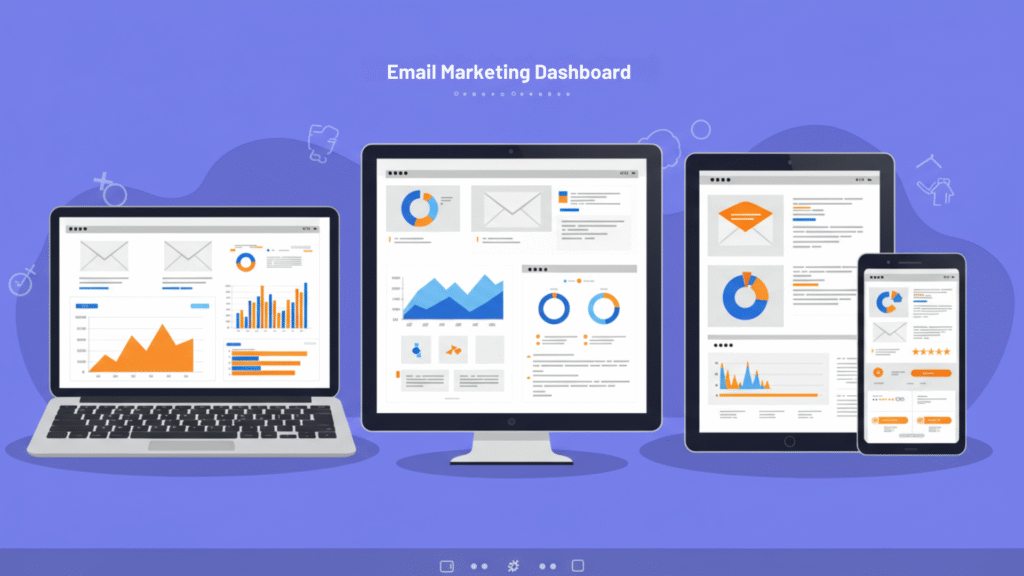
Implementing the right email campaign tools can significantly impact your marketing outcomes:
Developing relationships with potential customers through targeted email sequences keeps your brand top-of-mind and guides prospects through the sales funnel.
Automate repetitive tasks such as welcome emails, follow-ups, and re-engagement campaigns. This not only saves time but also ensures consistent communication.
Experiment with different subject lines, content, and send times to identify what resonates best with your audience. Data-driven adjustments lead to improved performance.
Ensure your emails are mobile-friendly. With a significant portion of users accessing emails on mobile devices, responsive design is crucial for engagement.
Choosing the best email marketing platform is pivotal for small businesses striving to enhance their digital marketing efforts. By focusing on platforms that offer affordability, user-friendliness, automation, and robust analytics, businesses can create effective campaigns that drive engagement and growth.
Remember, the right email marketing software not only simplifies communication but also empowers you to build lasting relationships with your customers. Invest time in evaluating your options, and select a platform that aligns with your business objectives and resources.
Q1: What defines the best email marketing platform for small businesses?
The ideal platform offers a combination of affordability, user-friendliness, robust automation features, and insightful analytics. It should cater specifically to small business needs, enabling effective lead nurturing via email and seamless integration with existing tools.
Q2: Why is automation crucial in email marketing for small businesses?
Automation streamlines repetitive tasks, such as sending welcome emails or follow-ups, saving time and ensuring consistent communication. This efficiency allows small businesses to focus on growth while maintaining personalized engagement with their audience.
Q3: How can I personalize my email campaigns effectively?
Utilize segmentation to divide your audience based on behaviors or preferences. Then, craft tailored messages for each segment. Personal touches, like addressing recipients by name and referencing past interactions, can significantly boost engagement.
Q4: What metrics should I monitor to assess my email marketing success?
Key performance indicators include open rates, click-through rates, conversion rates, and unsubscribe rates. Monitoring these metrics helps in refining strategies and improving overall campaign effectiveness.
Q5: How often should I clean my email list?
Regularly cleaning your email list, ideally every three to six months, ensures better deliverability and engagement. Removing inactive subscribers helps maintain a healthy sender reputation and improves campaign performance.
Q6: Is email marketing still effective in 2025?
Absolutely. Email marketing continues to offer a high return on investment, especially when campaigns are well-targeted and personalized. It’s a cost-effective way to maintain direct communication with your audience.
Q7: Can I integrate my email marketing platform with other tools?
Yes, most modern email marketing platforms offer integrations with CRM systems, e-commerce platforms, and other business tools, facilitating a cohesive marketing strategy.
Q8: What are some common mistakes to avoid in email marketing?
Avoid sending emails without proper segmentation, neglecting mobile optimization, and failing to test campaigns before sending. Also, ensure compliance with email regulations to maintain trust and deliverability.
Written by
LPAI Team
Helping businesses grow with AI-powered lead generation, CRM automation, and data-driven marketing strategies.

You write the perfect cold email. You craft an irresistible offer. You hit send to 100 prospects and wait for replies to flood in. But here’s what actually happens: your emails land in spam fold

You’re an HVAC contractor in Twin Falls. You write the perfect email to property managers across the Magic Valley and hit send to 100 prospects in Jerome, Kimberly, and Filer. Your emails land i

You just wrapped up an HVAC repair in Jerome when your phone buzzes with a furnace replacement quote request from a Twin Falls homeowner. You send a quick estimate while driving to your next appointme
Manage contacts, projects, appointments, and billing — everything in one place.
See PlansIn today’s digital landscape, email marketing remains a cornerstone for small businesses aiming to connect with their audience, nurture leads, and drive conversions. However, with numerous options available, identifying the best email marketing platform tailored to your business needs can be challenging.
This guide delves into the essential features that define the best email marketing platform, emphasizing affordability, ease of use, automation capabilities, and more. Whether you’re a startup or an established small business, understanding these facets will empower you to make informed decisions and elevate your marketing efforts.
Email marketing offers unparalleled advantages for small businesses:
Cost-Effective Communication: Reach a broad audience without substantial advertising budgets.
Personalized Engagement: Tailor messages to specific segments, enhancing relevance and response rates.
Measurable Results: Track open rates, click-throughs, and conversions to assess campaign effectiveness.
Automation Opportunities: Implement workflows that engage customers at optimal times without manual intervention.
By leveraging these benefits, small businesses can foster stronger customer relationships and drive sustainable growth.
When evaluating email marketing software, consider the following essential features:
A platform with an intuitive design ensures that even those without technical expertise can create and manage campaigns effortlessly. Look for drag-and-drop editors and customizable templates that simplify the design process.
Budget constraints are common for small businesses. Seek affordable email marketing tools that offer robust features without compromising on quality. Transparent pricing tiers and scalable plans are indicators of a platform that grows with your business.
Effective small business email automation allows you to send timely, relevant messages based on user behavior. Features like autoresponders, drip campaigns, and trigger-based emails enhance engagement and efficiency.
The ability to segment your audience and personalize content ensures that your messages resonate with recipients. This approach leads to higher open rates and conversions.
Insightful analytics provide a clear picture of your campaign’s performance. Metrics such as open rates, click-through rates, and conversion statistics help refine strategies and improve ROI.
An easy email marketing platform should seamlessly integrate with your existing tools, such as CRM systems, e-commerce platforms, and social media channels. This integration streamlines operations and enhances data consistency.
When evaluating email marketing platforms, focus on those that align with your specific business needs and growth plans. Key considerations include:
Identify Your Objectives: Define what you want to achieve, such as lead generation, customer retention, or boosting sales.
Evaluate Feature Sets: Look for platforms offering automation, segmentation, personalization, and detailed analytics to support your goals.
Consider Scalability: Select a solution that can grow with your business, avoiding the need for disruptive system changes.
Test Usability: Opt for a beginner-friendly email marketing platform that your team can quickly adopt. Platforms with intuitive interfaces, drag-and-drop editors, and straightforward navigation ensure that even those new to email marketing can create and manage campaigns efficiently.
Review Support and Resources: Access to tutorials, responsive customer support, and community forums is invaluable, particularly during onboarding.
For example, LeadProspectingAI is designed with small businesses in mind, offering an all-in-one platform that combines ease of use with powerful automation and integration capabilities. Its features support targeted email campaigns, detailed analytics, and streamlined workflows — helping you put your email marketing strategy into action efficiently.
Implementing the right email campaign tools can significantly impact your marketing outcomes:
Developing relationships with potential customers through targeted email sequences keeps your brand top-of-mind and guides prospects through the sales funnel.
Automate repetitive tasks such as welcome emails, follow-ups, and re-engagement campaigns. This not only saves time but also ensures consistent communication.
Experiment with different subject lines, content, and send times to identify what resonates best with your audience. Data-driven adjustments lead to improved performance.
Ensure your emails are mobile-friendly. With a significant portion of users accessing emails on mobile devices, responsive design is crucial for engagement.
Choosing the best email marketing platform is pivotal for small businesses striving to enhance their digital marketing efforts. By focusing on platforms that offer affordability, user-friendliness, automation, and robust analytics, businesses can create effective campaigns that drive engagement and growth.
Remember, the right email marketing software not only simplifies communication but also empowers you to build lasting relationships with your customers. Invest time in evaluating your options, and select a platform that aligns with your business objectives and resources.
Q1: What defines the best email marketing platform for small businesses?
The ideal platform offers a combination of affordability, user-friendliness, robust automation features, and insightful analytics. It should cater specifically to small business needs, enabling effective lead nurturing via email and seamless integration with existing tools.
Q2: Why is automation crucial in email marketing for small businesses?
Automation streamlines repetitive tasks, such as sending welcome emails or follow-ups, saving time and ensuring consistent communication. This efficiency allows small businesses to focus on growth while maintaining personalized engagement with their audience.
Q3: How can I personalize my email campaigns effectively?
Utilize segmentation to divide your audience based on behaviors or preferences. Then, craft tailored messages for each segment. Personal touches, like addressing recipients by name and referencing past interactions, can significantly boost engagement.
Q4: What metrics should I monitor to assess my email marketing success?
Key performance indicators include open rates, click-through rates, conversion rates, and unsubscribe rates. Monitoring these metrics helps in refining strategies and improving overall campaign effectiveness.
Q5: How often should I clean my email list?
Regularly cleaning your email list, ideally every three to six months, ensures better deliverability and engagement. Removing inactive subscribers helps maintain a healthy sender reputation and improves campaign performance.
Q6: Is email marketing still effective in 2025?
Absolutely. Email marketing continues to offer a high return on investment, especially when campaigns are well-targeted and personalized. It’s a cost-effective way to maintain direct communication with your audience.
Q7: Can I integrate my email marketing platform with other tools?
Yes, most modern email marketing platforms offer integrations with CRM systems, e-commerce platforms, and other business tools, facilitating a cohesive marketing strategy.
Q8: What are some common mistakes to avoid in email marketing?
Avoid sending emails without proper segmentation, neglecting mobile optimization, and failing to test campaigns before sending. Also, ensure compliance with email regulations to maintain trust and deliverability.
Written by
LPAI Team
Helping businesses grow with AI-powered lead generation, CRM automation, and data-driven marketing strategies.

You write the perfect cold email. You craft an irresistible offer. You hit send to 100 prospects and wait for replies to flood in. But here’s what actually happens: your emails land in spam fold

You’re an HVAC contractor in Twin Falls. You write the perfect email to property managers across the Magic Valley and hit send to 100 prospects in Jerome, Kimberly, and Filer. Your emails land i

You just wrapped up an HVAC repair in Jerome when your phone buzzes with a furnace replacement quote request from a Twin Falls homeowner. You send a quick estimate while driving to your next appointme
Manage contacts, projects, appointments, and billing — everything in one place.
See Plans